

The Phantom State: NCERT, Article 12, and the Politics
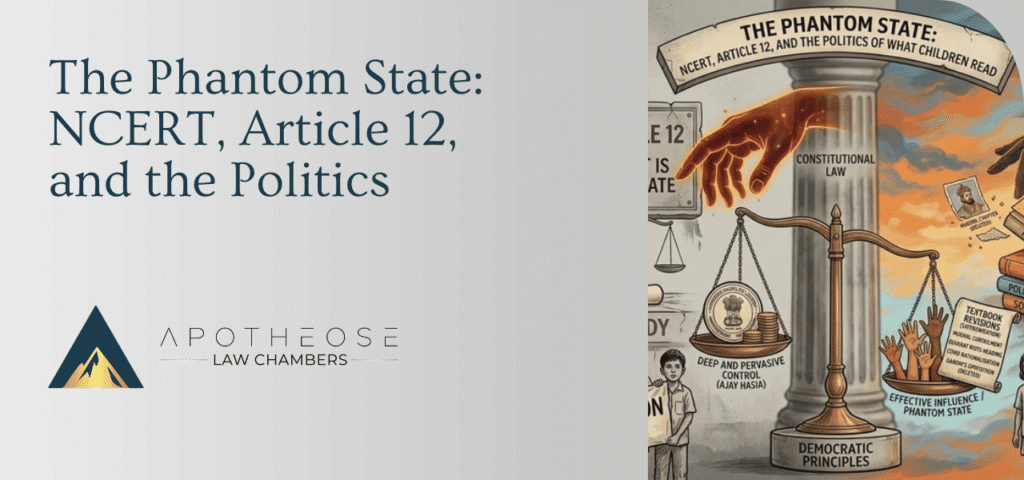
“Give me the child until he is seven, and I’ll give you the man.”: attributed to Aristotle, and later claimed by Jesuits The Question That Law Cannot Settle There is a question that has been already answered by the constitutional law along with the weight of the interpretation by the Supreme Court of India behind […]
The Unfinished Republic: Democracy, Dissent, and Decay in India
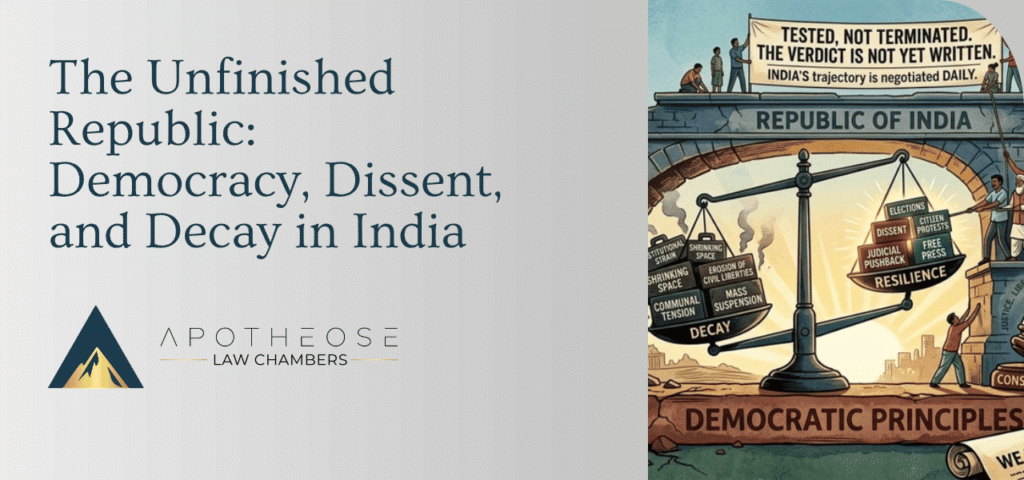
“We, the People of India, having solemnly resolved to constitute India into a Sovereign Socialist Secular Democratic Republic and to secure to all its citizens Justice, Liberty, Equality, and Fraternity…” — so opens the Preamble to the Constitution of India. Seventy-six years later, that promise is being tested. Freedom House has downgraded India from “Free” […]
Making Sense of Scents: The Evolution of Non-Traditional Trademarks and the Acceptance of Olfactory Marks in India
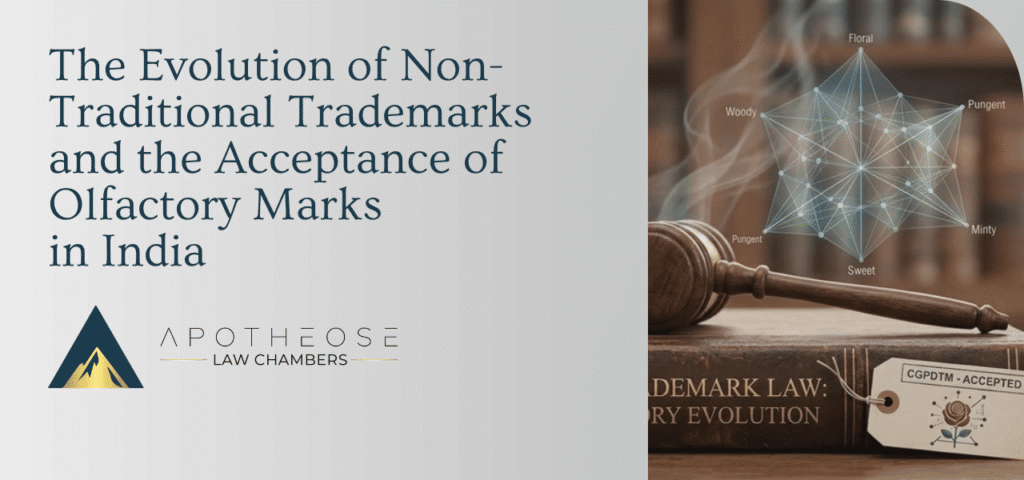
Abstract This research paper proposes a well detailed and logical framework for understanding the basic concepts of the Intellectual Property Rights and the paradigm shift that is coming in the traditional Indian trademark law from conventional visual identifiers to non-conventional sensory marks. The research will first delve into the broader aspect of IPR by defining […]
Whistleblower Retaliation in Corporations as a White-Collar Crime
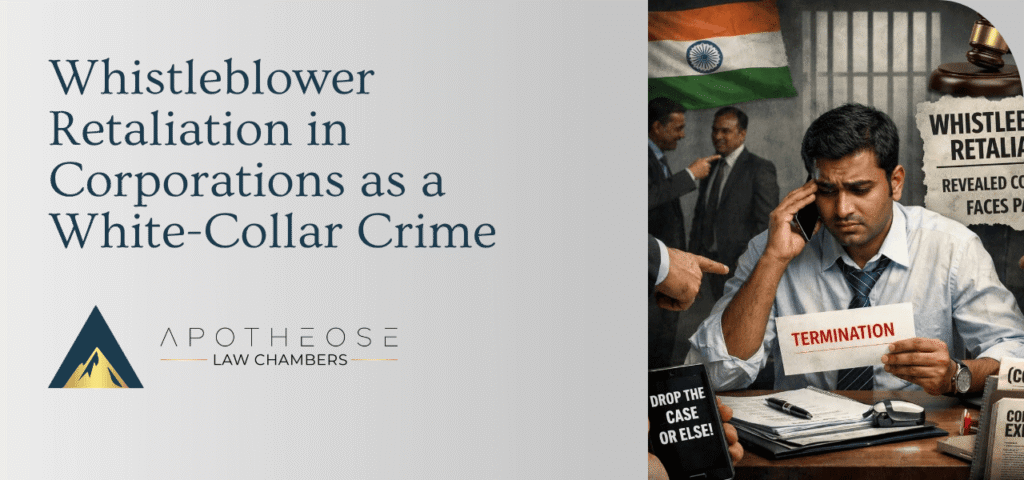
Whistleblowers play an important role in exposing corruption, fraud, and misconduct within both public and private institutions. However, in India, people who have tried to expose such wrongdoing have mostly encountered severe retaliation that includes harassment, threats of legal action, suspension, or even death threats. This article will discuss whistleblower retaliation as one kind of […]
Living Beyond Paycheck: Corruption and Bribery in India
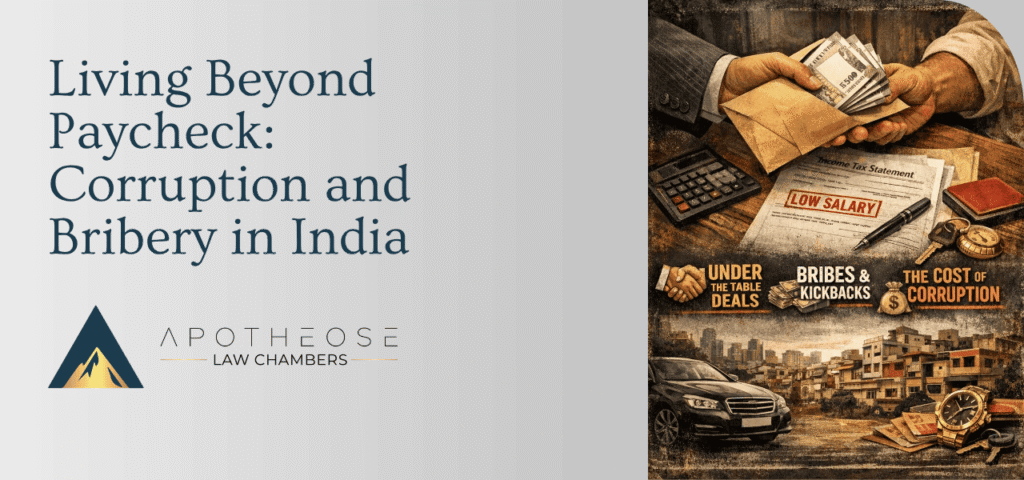
Introduction: In the shadow of India’s economic boom, a silent predator lurks: corruption and bribery, fuelling 33% of all economic crimes and ensnaring 26% of organisations as one of their top disruptive threats. Procurement fraud has exploded to plague 50% of businesses which is up dramatically from prior years, while 59% of Indian firms faced […]
State vs Central Law: The Status of State Amendments
State vs Central Law: The Status of State Amendments Imbibed in the IPC and CrPC after the Implementation of New Criminal Codes Introduction The Indian Criminal Laws experienced a complete facelift marked by a seismic change on 1st July 2024 when the enactment of the Bharatiya Nyaya Sanhita (BNS), Bharatiya Nagarik Suraksha Sanhita (BNSS), and […]
AI as Evidence in Court
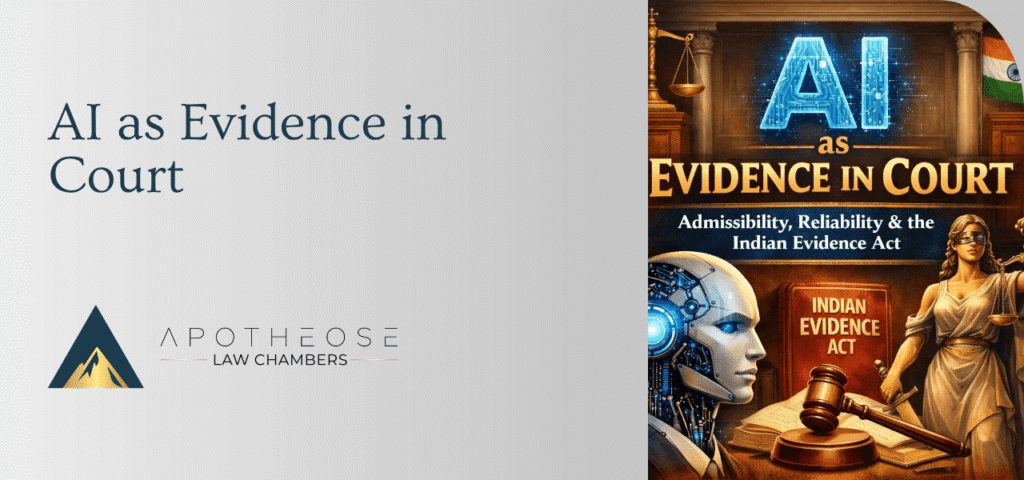
AI as Evidence in Court: Admissibility, Reliability & the Indian Evidence Act Abstract The use of Artificial Intelligence (AI) in criminal investigations and court proceedings is steadily increasing. Technologies such as facial recognition, voice analysis, surveillance tools, predictive systems, and automated document examination are now commonly used to collect and analyse evidence. While these tools […]
Attachment Before Conviction under PMLA
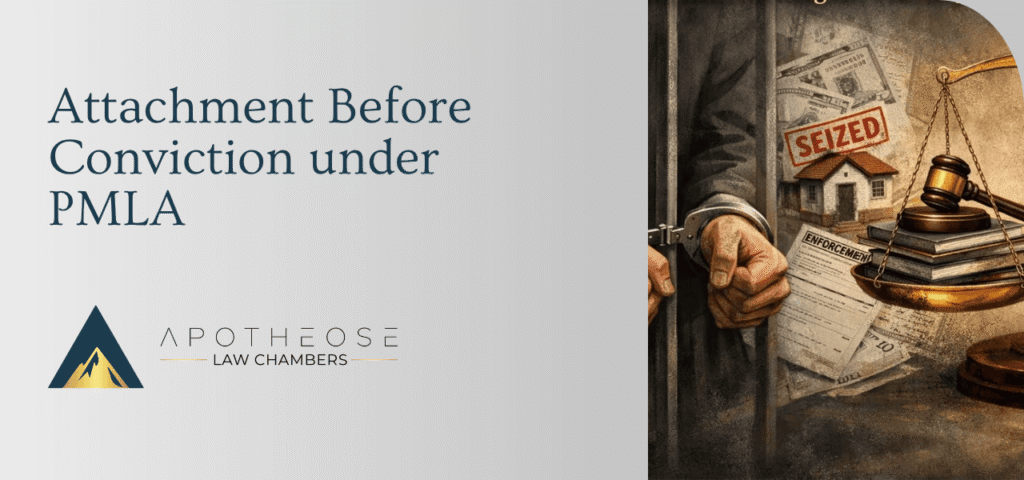
Is PMLA Diluting the Presumption of Innocence? Abstract The presumption of innocence is a foundational principle of criminal jurisprudence, ensuring that every accused person is treated as innocent until proven guilty through a fair and lawful process. In India, this principle flows from Article 21 of the Constitution and is closely linked to the right […]
White-Collar Crimes in India: An Analysis
White-Collar Crimes in India: An Analysis of the Adequacy of Existing Legal Frameworks In India, the costliest crimes are not committed with guns, but with pens, contracts, and computer screen. These crimes are nonviolent and silent unlike physical harm these crimes harm public trust corporate reputation and so on. These crimes are often committed by […]
Police Brutality Beyond Law and Order: Abuse of Power by Police
India is the largest democracy in the world embodied with it’s core principles of Constitution which guarantees equality, liberty and dignity to each and every citizen. Although Indian Constitution guarantees these rights the enforcement of these rights still remains a great challenge even after more than 78 years of Independence. One of the greatest challenge […]